
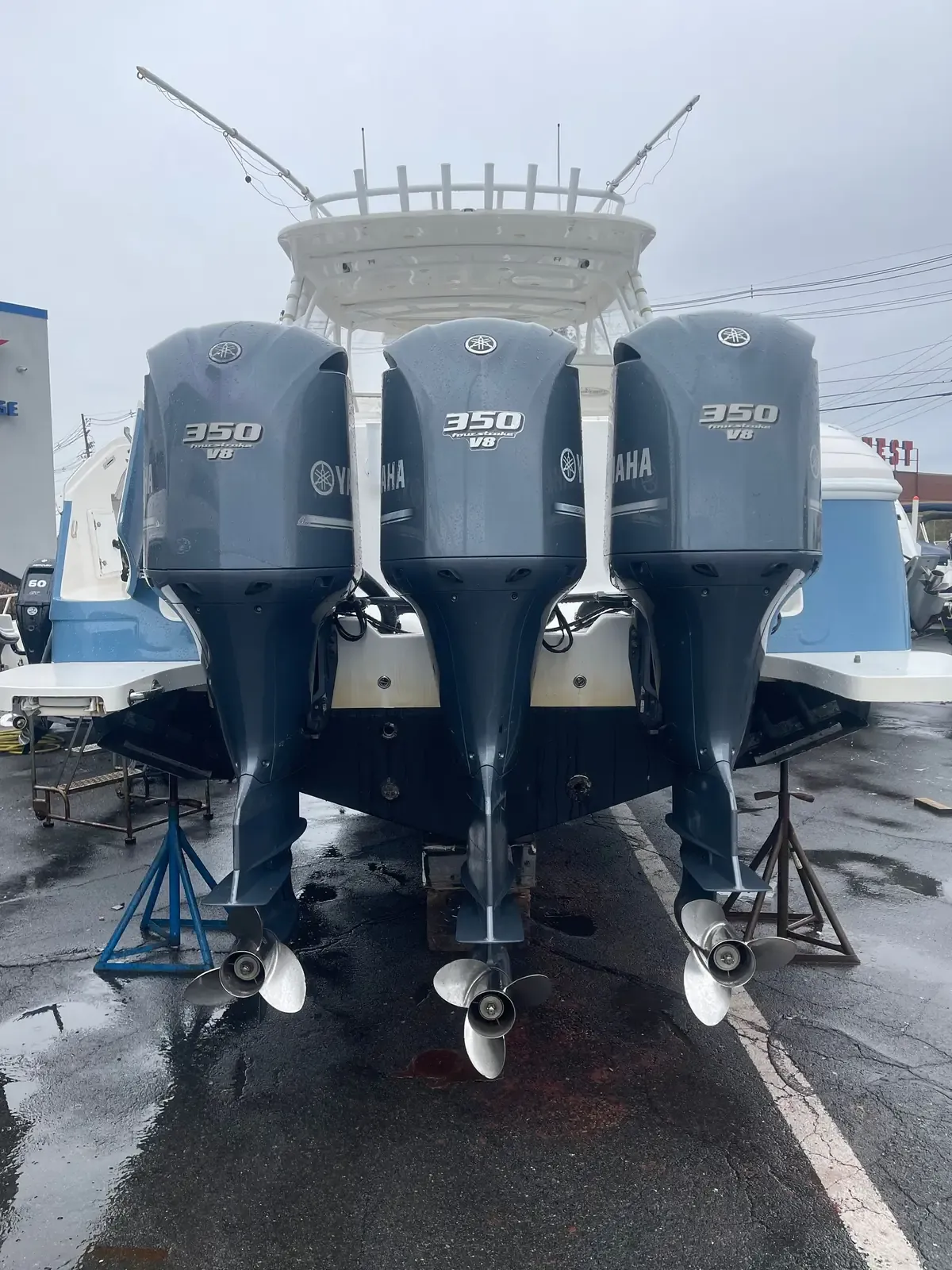
Lower units and water pumps
The lower unit holds the gears, the seals and the water pump that keeps the whole engine alive. Gear lube that comes out milky means water is getting past a seal, and that is a job to do now rather than in the autumn. The impeller inside the water pump is rubber, it takes a set while the boat sits, and it is the single most common cause of an overheating outboard.
Prop shaft damage, a spun hub and a bent blade all show up as vibration, and a vibration that is ignored works its way up into bearings and seals.
Fuel systems and powerheads
Carburettors and fuel injection both suffer from fuel that has sat. Filters, water separators, primer bulbs, lines that have gone hard, and injectors or jets that have varnished are all part of the same story. Powerhead work sits at the far end of that road, and getting there is usually avoidable.
Annual service
An annual outboard service is oil and filter where the engine has them, gear lube, spark plugs, a new impeller on schedule, anodes, a fuel filter and a proper look at the steering and trim. It is the cheapest hour on the boat.
What a short season does to an outboard
An outboard on Lake Winnipesaukee works for roughly half the year and sits for the other half, and the sitting causes more failures than the running. Rubber components take a set: the water pump impeller deforms against its housing over six still months, and pumps less on the first hot day than it did in October.
Fuel is the second half of it. Pump gasoline in most of the country contains up to ten percent ethanol, which draws moisture out of the air and separates over a long layup. What comes out of a tank in May is not what went into it in October, and carburettor jets and injectors are the first things to find that out.
Batteries, meanwhile, self-discharge all winter and sulphate if they are left flat. Between the impeller, the fuel and the battery, three of the most common spring failures on this lake are storage problems wearing the costume of engine problems.