
Charging, batteries and the switch
A battery that will not hold overnight is not automatically a dead battery. It can be a charging circuit that is not charging, a parasitic draw, a switch that is passing current it should not, or a battery that was never fully charged after layup. Those are four different repairs and they cost four different amounts.
Wiring, grounds and corrosion
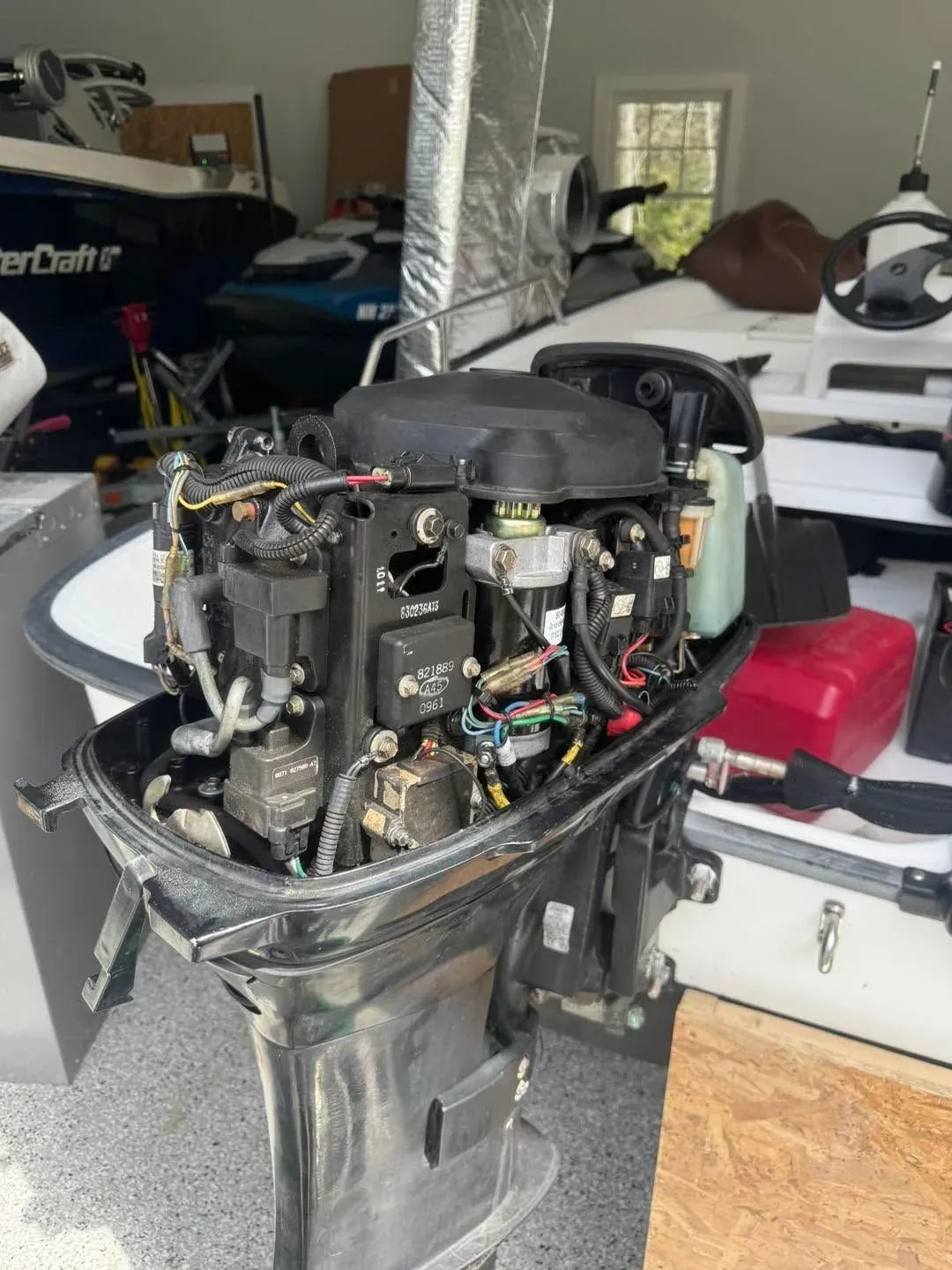
The classic marine electrical fault is a green connection inside a heat-shrink that looks perfect from the outside. Grounds are the other half: a bad ground produces symptoms all over the boat and none of them at the ground. Repairs use marine-grade wire and properly sealed terminations, because the next owner of that splice is next winter.
Gauges, lighting and ignition
Gauges that read wrong, navigation lights that work on the trailer and not on the water, tilt and trim that stops halfway, and ignition and safety-switch circuits are all part of the same system and are all traced the same way — with a meter and a wiring diagram, not by swapping parts.
Testing, not swapping
The fastest way to spend money on a boat electrical fault is to replace parts until the symptom goes away. It sometimes works, it is never cheap, and it leaves the actual cause in place — which is why the same boat is back the following season with the same complaint.
The alternative is unglamorous and reliable. Voltage measured at rest and under load. Voltage drop measured across each connection in the suspect circuit, which is what exposes the corroded terminal inside a heat-shrink that looks perfect. Current draw measured with a clamp to find a parasitic load. Grounds checked, because a bad ground produces symptoms everywhere except at the ground.
Repairs then use marine-grade tinned wire, correctly sized, fused at the source rather than at the device, and terminated so water stays out. The standards for all of this are published by the American Boat and Yacht Council, and they exist precisely because these failure modes are so well documented.