
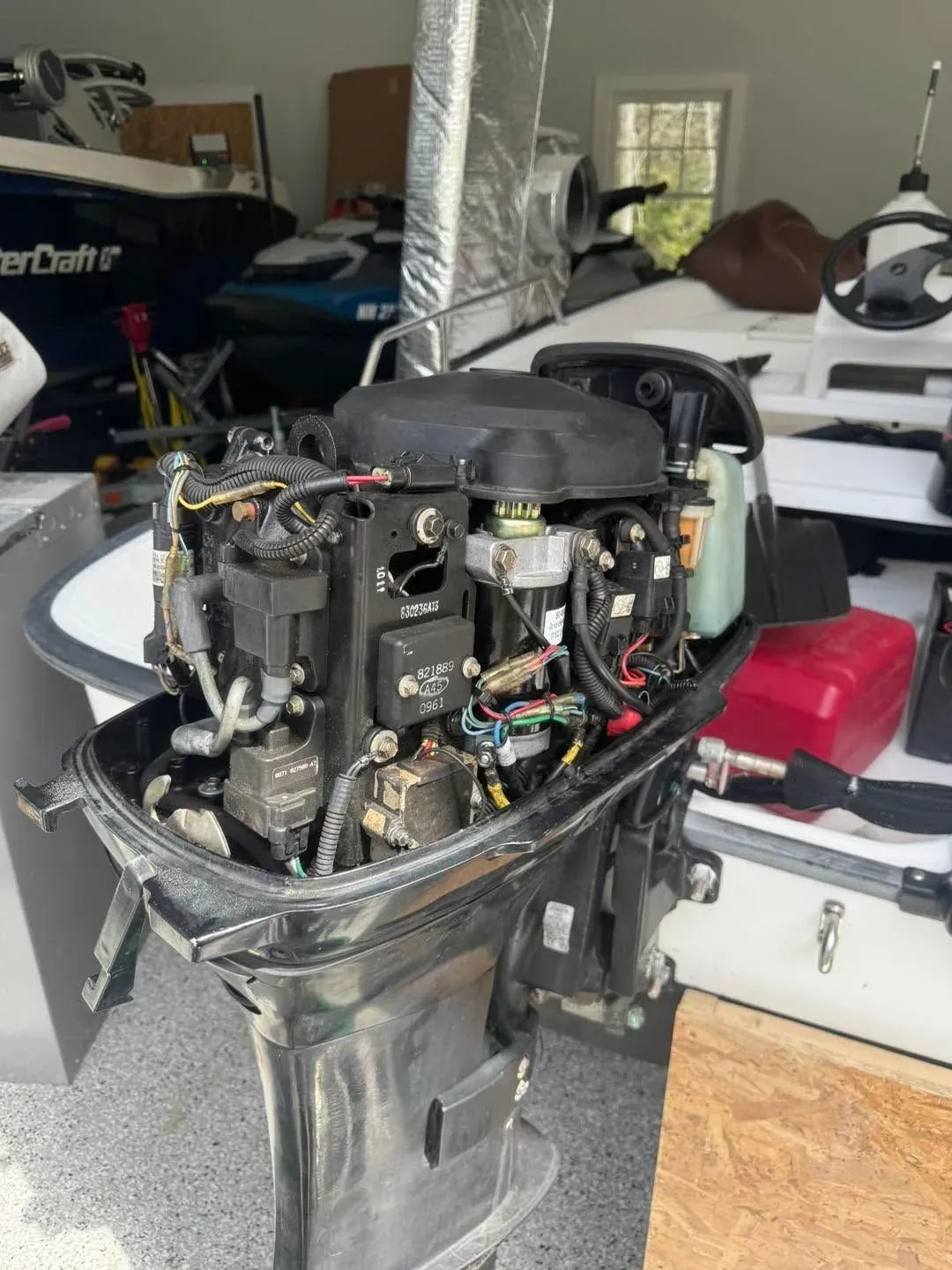
The four symptoms that account for most calls
Hard starting is usually fuel or spark, and which one it is takes minutes to establish and saves hundreds to establish correctly. Overheating is almost always raw-water flow — an impeller, an intake, a thermostat or a blocked passage — and it is the one fault where continuing to run the engine turns a cheap job into an expensive one.
Power loss at the top end points at fuel delivery, a fouled prop or a drive problem long before it points at the powerhead. Irregular running at idle that clears at speed points at fuel and ignition under light load. Each of those has a test, and the test comes before the parts order.
Brands and systems
Mainline Marine runs diagnostics across the major brands on this lake, including Mercury, Yamaha, Volvo Penta, Suzuki and Sea-Doo — outboards, sterndrives and personal watercraft. Manufacturer service information and the right tools for the engine in front of you matter more than any generic scan tool.
Why the diagnosis is the cheap part
Parts are the expensive half of a marine repair, and guessing at them is how a bill doubles. A coil, a fuel pump and an injector set can each explain a rough-running engine, and replacing all three because one of them might be it is a common and entirely avoidable way to spend money.
An hour of proper diagnosis routinely costs less than the wrong part, and it produces something the part never does: an explanation. Knowing that the fuel pump failed because the filter was blocked, and the filter blocked because the tank has water in it, means the repair holds. Replacing the pump alone means the same call again in six weeks.
The other output is a straight probability. Some faults are conclusive on the bench; some are intermittent and need the boat run under load before anyone can be certain. You get told which kind yours is before the work starts, not after.