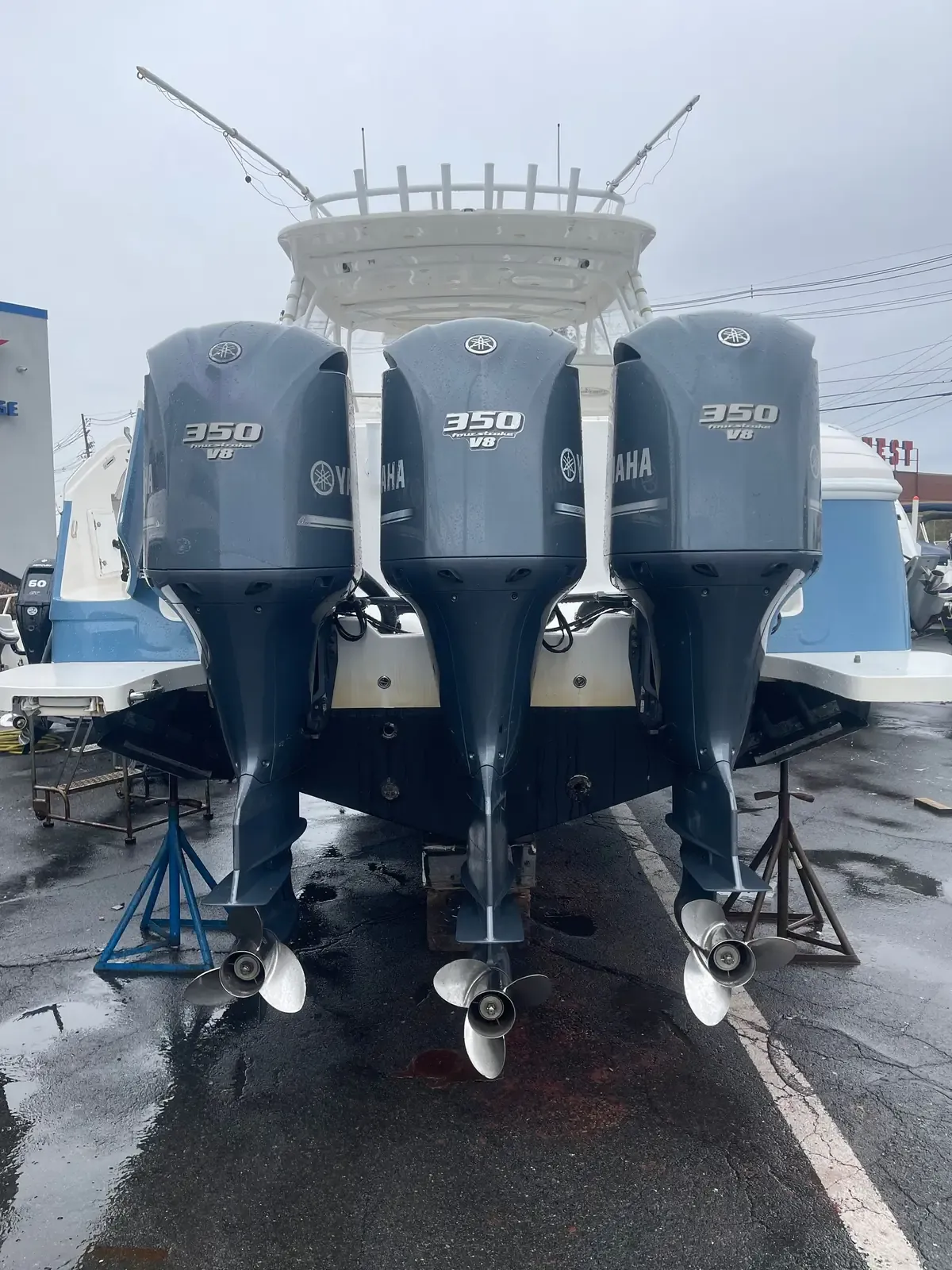
Start with the boat, not the engine
The engine failure is what got your attention, but the boat usually decides the outcome. A sound hull with a dry transom, good stringers, decent upholstery and a layout you like justifies real money going into the power. A hull with soft spots, a wet transom core, tired wiring and seats you have been meaning to replace does not, no matter how attractive the repower looks on paper, because you will end up spending again on everything the new engine is bolted to.
So the first job is an honest survey of what the engine is attached to. Transom condition, stringer and floor soundness, fuel tank age and condition, the state of the wiring harness and the battery installation, the steering and the controls. This is the same assessment a buyer would make, and treating it that way is useful: you are effectively deciding whether to buy this boat again at the price of the repair. If you would not buy it, the engine decision has already been made for you.
What pushes toward a rebuild
A rebuild makes sense when the failure is contained and the rest of the engine is sound. A block that has not cracked or overheated to the point of distortion, a crankshaft that cleans up, heads that are serviceable, and a fault with an identifiable cause you can correct rather than a mystery that will repeat. Parts availability matters just as much: an engine still fully supported, with gaskets, bearings and electrical components on the shelf, is a rebuild candidate. One where half the parts come from breakers is not.
A rebuild also suits a boat you want to keep exactly as it is. The engine already fits the transom, the controls already match, the gauges already read correctly, and the propeller is already right for the power band. Nothing downstream changes. That is a genuine and frequently underrated advantage, because every one of those items becomes a line on a repower plan. For an older boat with a good hull and a practical reason to stay original, a rebuild often gives the better outcome for the money spent.
What pushes toward repower or a used replacement
Repower comes into its own when the engine has reached the end of parts support, when it has failed repeatedly rather than once, or when the fault is the kind that tends to come back. An engine that has been overheated hard, run on stale or contaminated fuel for a long period, or suffered water ingress is often carrying damage well beyond the part that actually broke. Pouring work into it buys a short reprieve rather than a fix, and each subsequent failure costs another season of use.
It also wins on a rig where everything else has aged out in parallel. If the controls are stiff, the rigging harness is brittle, the gauges have stopped reading and the fuel system needs attention anyway, those jobs will be done regardless, and doing them around a new engine costs far less than doing them twice. The decisive question is how long you intend to keep the boat. Across several seasons a new engine changes reliability, fuel consumption and resale in a way that a rebuild does not.
A good used engine sits in between and is the hardest of the options to judge. It can be excellent value when its history is known and it can be inspected properly, including a compression test and a close look at the corrosion state of the castings. It is a gamble when it arrives on a pallet with no story attached. Treat it with the same suspicion you would apply to a used boat.
The costs nobody plans for
A repower is rarely just an engine. Modern outboards and sterndrives frequently need new controls, because digital throttle and shift will not run through cables, and a cable boat converting to digital needs a new binnacle, a new harness and often a new start panel. Gauges go the same way: analogue senders and a modern engine's data network do not talk to each other, so the instrument panel is often part of the job. Steering may need attention at the same time, particularly if the new engine is heavier.
Then there is the boat itself. A new engine usually makes different power at different revs, so the existing propeller is frequently wrong for the new power band and has to be re-pitched or replaced. Transom height, transom thickness and core condition all have to suit the new engine, and a bracket or jackplate may need changing. Engine weight affects trim and handling. None of this is exotic, but it is routinely left out of the mental arithmetic, and it is the reason repowers surprise people after the decision has already been made.
The trap, and the season
The trap is spending more on the power than the whole rig would be worth afterwards, on a boat you were already lukewarm about. It happens gradually: the engine decision is made first, then the controls, then the gauges, then the prop, and by the end the total has quietly passed what a sorted used boat would have cost. Add every option up before committing to any of them, and compare the finished result against what else is on the market.
Timing matters here more than it would somewhere with a long season. Ice-out on Lake Winnipesaukee is typically declared in the middle of April, the MS Mount Washington starts running in late May, and the usable season is finished by autumn. A decision deferred to June costs a chunk of the only boating you get. If the engine let go at the end of last season, the useful time to settle the question is over the winter, not on the ramp on the first warm weekend.